SpaceX Targets November 13 for Starship Flight 15, Its First Try at Catching Both Stages
A SpaceX launch executive named Friday, November 13 for the flight that will try to catch the ship and booster.
By Ryan Tanaka
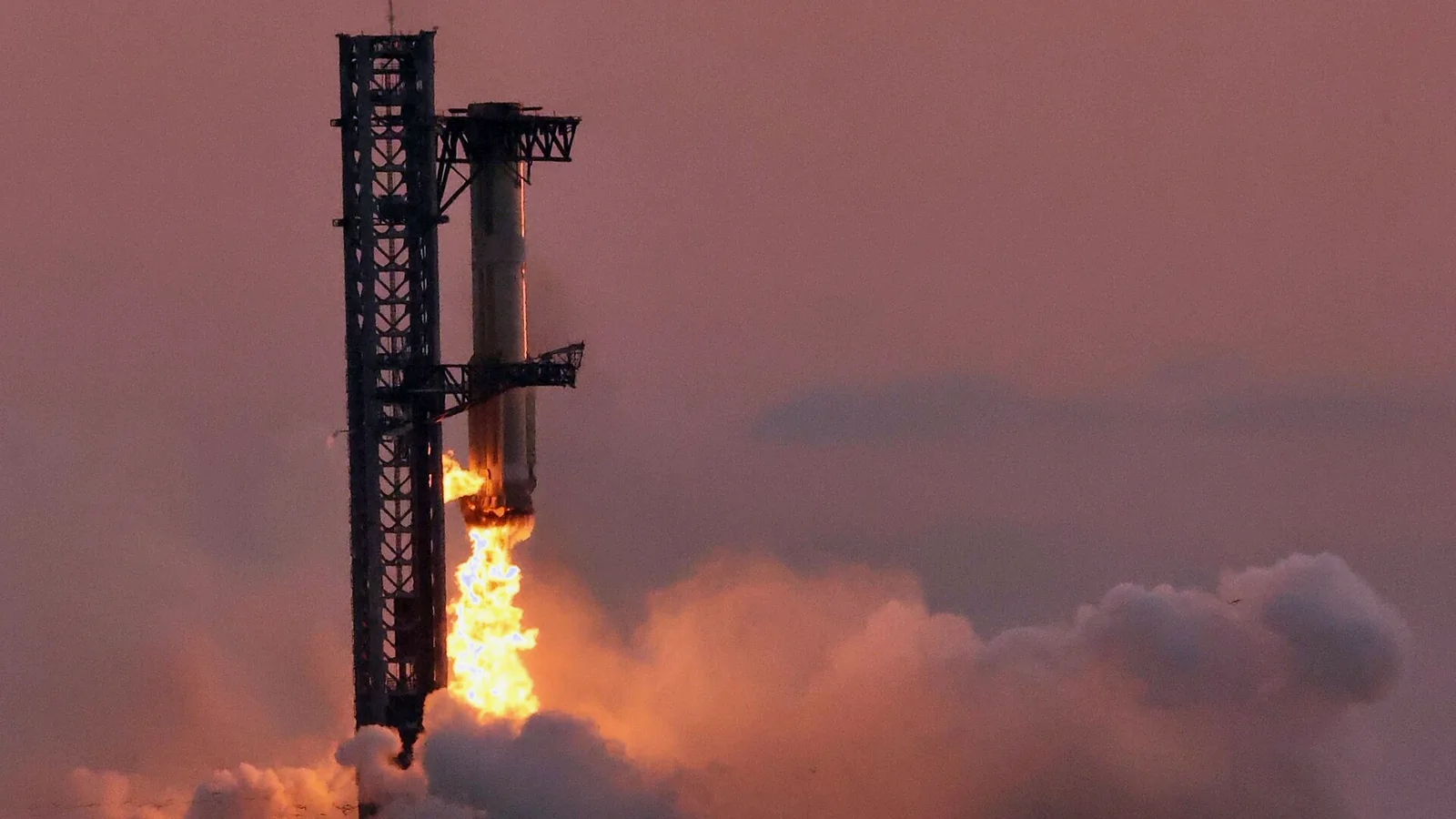
Starship could fly again on Friday, November 13, and SpaceX plans to bring both halves of the rocket back to the tower that launched them. Kiko Dontchev, SpaceX's Vice President of Launch, gave that target for Starship Flight 15 on stage at the UP.Summit conference on November 5, 2026, according to Eric Berger, senior space editor at Ars Technica, who posted the remark from the event at 1:51 PM Arizona time. If both catches work, a rocket that reached orbit would come home whole for the first time, and the cost of every Starship launch after it depends on that.
Kiko Dontchev of SpaceX just said at the UP.Summit that the company is targeting Friday, Nov. 13, for the launch Starship Flight 15.
— Eric Berger (@SciGuySpace) November 5, 2026
The double catch is the plan Elon announced on SpaceX's third-quarter earnings webcast on October 20. Spaceflight Now reported from the call that Flight 15 would include an attempt to catch both the booster and the ship, and quoted Elon: "Success is not guaranteed on these first flights." He rated the odds of success as more likely than not. Gwynne Shotwell, SpaceX's President and Chief Operating Officer, said on the same call that SpaceX expected its Federal Aviation Administration (FAA) license for the flight to cover a return to the launch site and tower catches for both stages.
What the tower has caught so far
The launch tower at Starbase, SpaceX's rocket site in South Texas, has two steel arms the engineers call chopsticks. They first closed around a descending Super Heavy booster, the 33-engine first stage, on Flight 5 in October 2024, and they caught boosters again on Flights 7 and 8 in 2025. The Version 3 booster that began flying in May 2026 has come down in the water on all three of its flights so far. The upper stage, the part called Starship that carries the cargo, has never been caught.
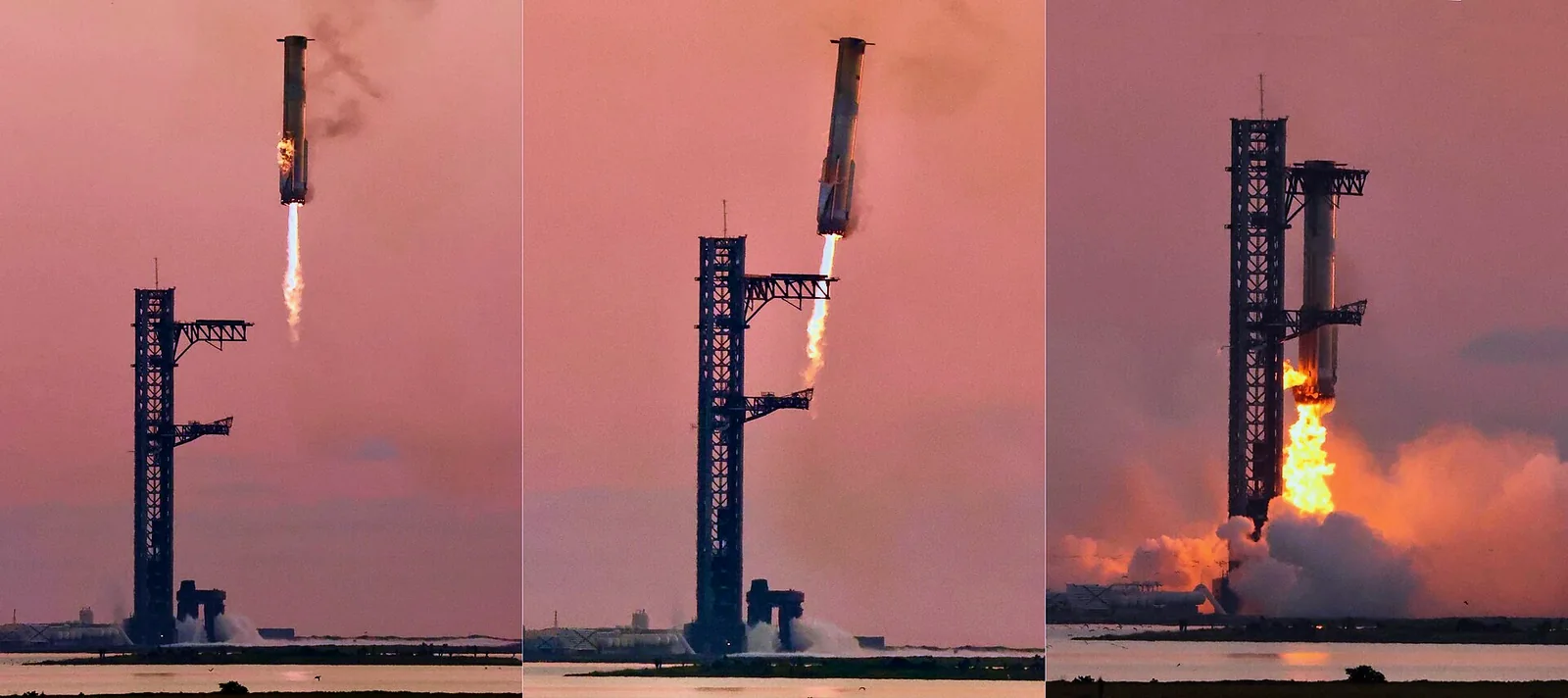
On Flight 14 on September 28, the ship reached orbit for the first time and released 26 Starlink V3 satellites. One of its vacuum engines shut down early on the climb, and SpaceX brought the ship down in the northern Pacific after a shortened flight. Elon had written in August that a tower catch was close.
Looks like we will probably catch the ship with the tower in a few months. If there had been a tower out to sea where we practiced landing the ship, it would have been caught. First reflight of the ship will be either end of this year or early next. That will be a fork in the
— Elon Musk (@elonmusk) August 20, 2026
Why a caught ship matters
A ship that splashes into the ocean is lost, while a ship held by the tower can be inspected, refueled, and flown again. Elon's target in the same post, a first ship reflight "either end of this year or early next," depends on catching one. For Starlink customers, more reflown ships mean more launches of the V3 satellites, which fly only on Starship and are built to carry far more traffic each than the satellites flying now. For SpaceX shareholders, full reuse is the basis of the company's plan to bring the cost of reaching orbit far below that of any rocket flying today, as the Starship explainer lays out.
Test flight dates often move, and SpaceX posts the launch window and its livestream on its website and on X in the days before a flight. The SpaceX dashboard tracks the company's launches and Starlink numbers as they come in.
Add Elon, Explained as a preferred source on Google
Sources (6)
- Eric Berger (Ars Technica) on X: Kiko Dontchev at UP.Summit, Starship Flight 15 targeted for Friday, November 13, posted November 5, 2026
- SpaceX on X: Q3 2026 Financial and Operational Results webcast, October 20, 2026
- Spaceflight Now on X: Elon Musk on the earnings call, Flight 15 catch attempt for both booster and ship, October 20, 2026
- Teslarati: SpaceX showcases exactly how it plans to catch Starship next month (Gwynne Shotwell on the Flight 15 license), October 2026
- Elon Musk on X: catching the ship with the tower in a few months, August 20, 2026
- SpaceX: Starship's fourteenth flight test, September 28, 2026


