Tesla Cybercab Rides Open in Dallas on November 19, Its Second City After Austin
Tesla's two-seat Cybercab, built with no steering wheel or pedals, now carries riders in Dallas in a newer V1.5 build.
By Ryan Tanaka
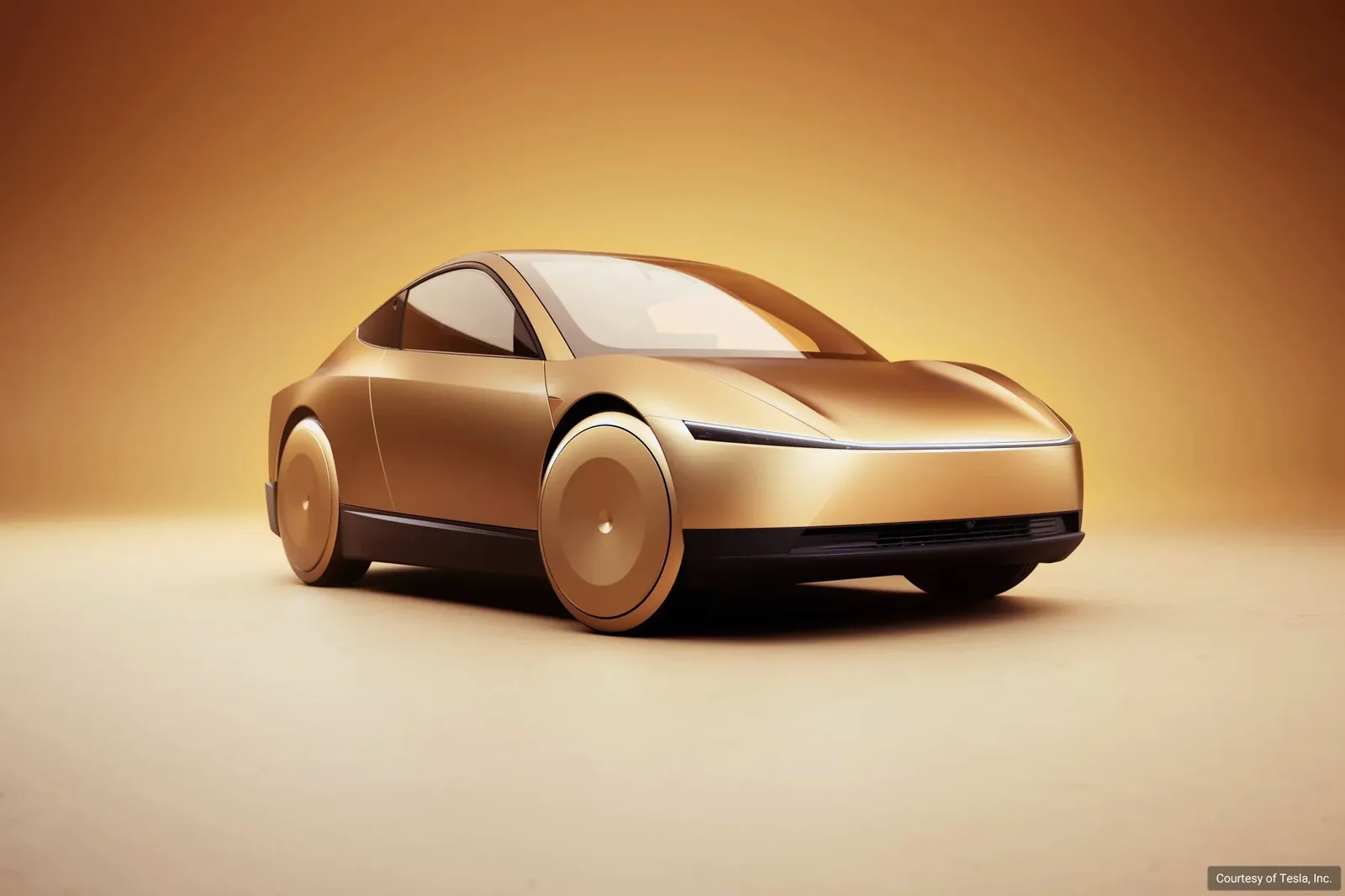
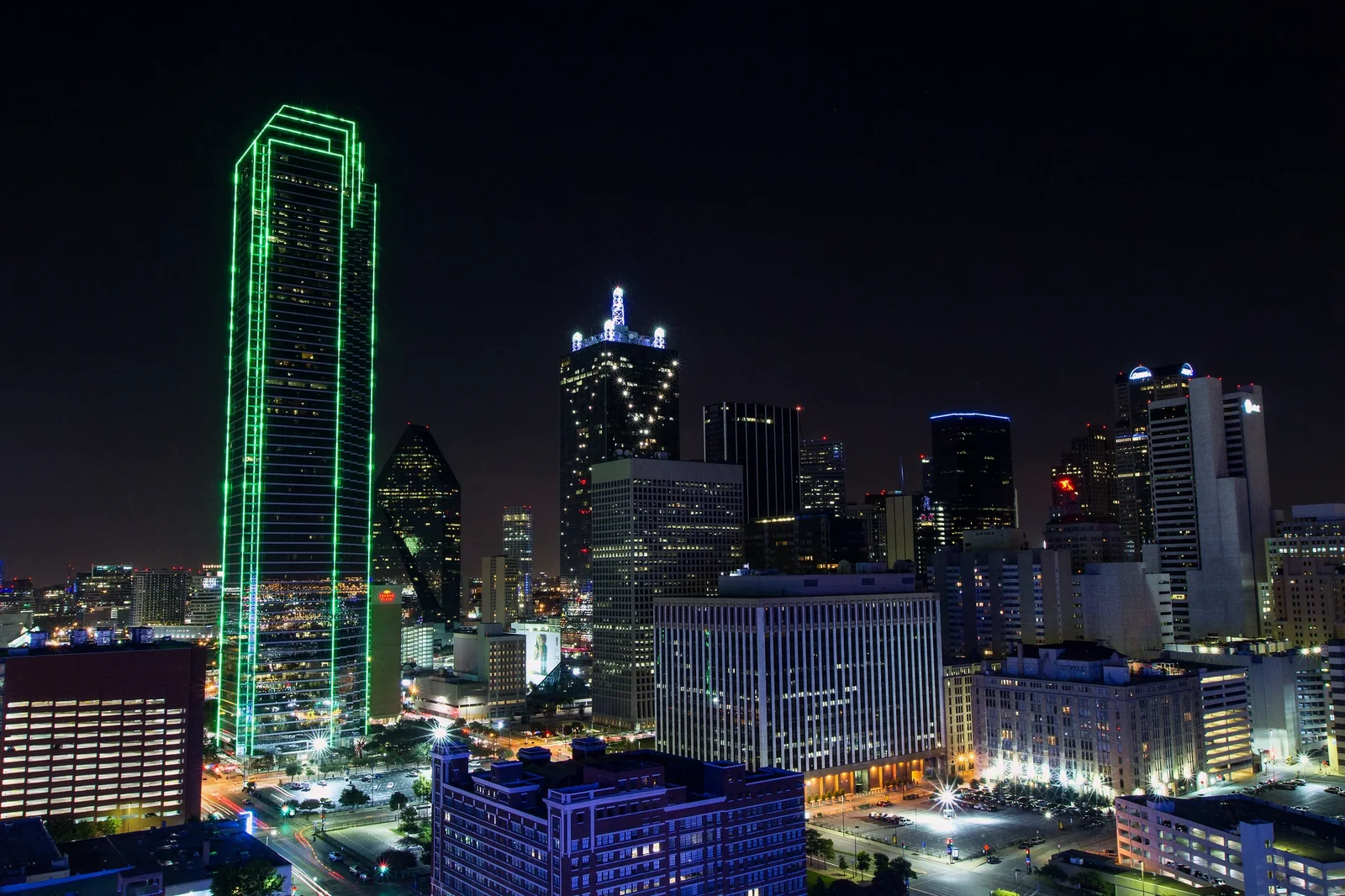
Riders in Dallas can now hail a Tesla Cybercab, the two-seat car built with no steering wheel or pedals. Tesla's Robotaxi account announced it on X at 9:47 AM Arizona time on Thursday, November 19, one day after a teaser photo showed a Dallas skyscraper reflected on a gold Cybercab. Dallas is the second city with Cybercab rides after Austin, where Tesla started them on September 3, according to its Q3 2026 update.
Howdy Dallas Cybercab has arrived in your city
— Robotaxi (@robotaxi) November 19, 2026
The Cybercab joins Tesla's Robotaxi service in one of its busiest markets. Dallas logged 608,130 driverless miles between January 22 and October 18, second only to Austin's 2,118,015, in Tesla's first Robotaxi safety report, and Model Y Robotaxis there have carried riders with no one in the driver's seat since April. Riders book through the Robotaxi app, and Tesla is inviting people in and around the Dallas service area by app notification and email to "be one of the first to take a Cybercab ride in Dallas," Not a Tesla App reports. Tesla has not said how many Cybercabs are running in Dallas or which parts of the service area they cover.
Cybercab V1.5 adds a camera and a built-in Starlink dish
The cars in Dallas are a newer build. Eric Earley, Tesla's Cybercab chief engineer according to Not a Tesla App, quoted the launch post on X 22 minutes later with a version name.
Cybercab V1.5 in Dallas now!
— Eric (@EricETesla) November 19, 2026
Riders have found two changes so far. Dallas Tesla David, a Tesla fan account on X, found a camera in the rear trunk lid, and the Starlink dish now lies flush in the rear of the roof, where cars seen in September carried a boxier panel, Teslarati reported. Starlink, SpaceX's satellite internet service, gives the car a backup data link for navigation, customer service, and fleet management, and Tesla has said the car does not need it to drive safely, Not a Tesla App reports.
The same car is headed to private buyers too. Tesla invited select customers on November 13 to buy a Cybercab for personal use at $29,990 with a required $299 monthly Autonomy subscription, Teslarati reports, with deliveries estimated for December in Austin. Our Cybercab explainer covers how the car was designed, and the Robotaxi dashboard tracks the service's miles and cities.
The author may own Tesla stock and options. This article is not investment advice.
Add Elon, Explained as a preferred source on Google
Sources (9)
- Tesla Robotaxi (@robotaxi) on X: "Howdy Dallas. Cybercab has arrived in your city", November 19, 2026 (9:47 AM Arizona time)
- Eric (@EricETesla) on X: "Cybercab V1.5 in Dallas now!", November 19, 2026
- Dallas Tesla David (@dallastesla) on X: trunk lid camera on a V1.5 Cybercab, November 19, 2026
- Not a Tesla App: Tesla launches Cybercab rides in Dallas with new V1.5 design, November 19, 2026
- Tesla: Robotaxi safety report (driverless miles by city, January 22 to October 18, 2026)
- Tesla, Inc.: Q3 2026 Update (Cybercab rides in Austin from September 3), October 2026
- Teslarati: Tesla Cybercab expands public rides to Dallas, November 19, 2026
- Teslarati: Tesla gears up Cybercab with Starlink for public debut, November 18, 2026
- Tesla Robotaxi (@robotaxi) on X: Cybercab personal purchase invitations, November 13, 2026
