Tesla Will Build Cybercabs at Giga Berlin in a €3 Billion Hall Sized for Up to 1 Million a Year
Production of Tesla's two-seat robotaxi in Germany is planned for 2029, with groundbreaking in the first half of 2027.
By Ryan Tanaka
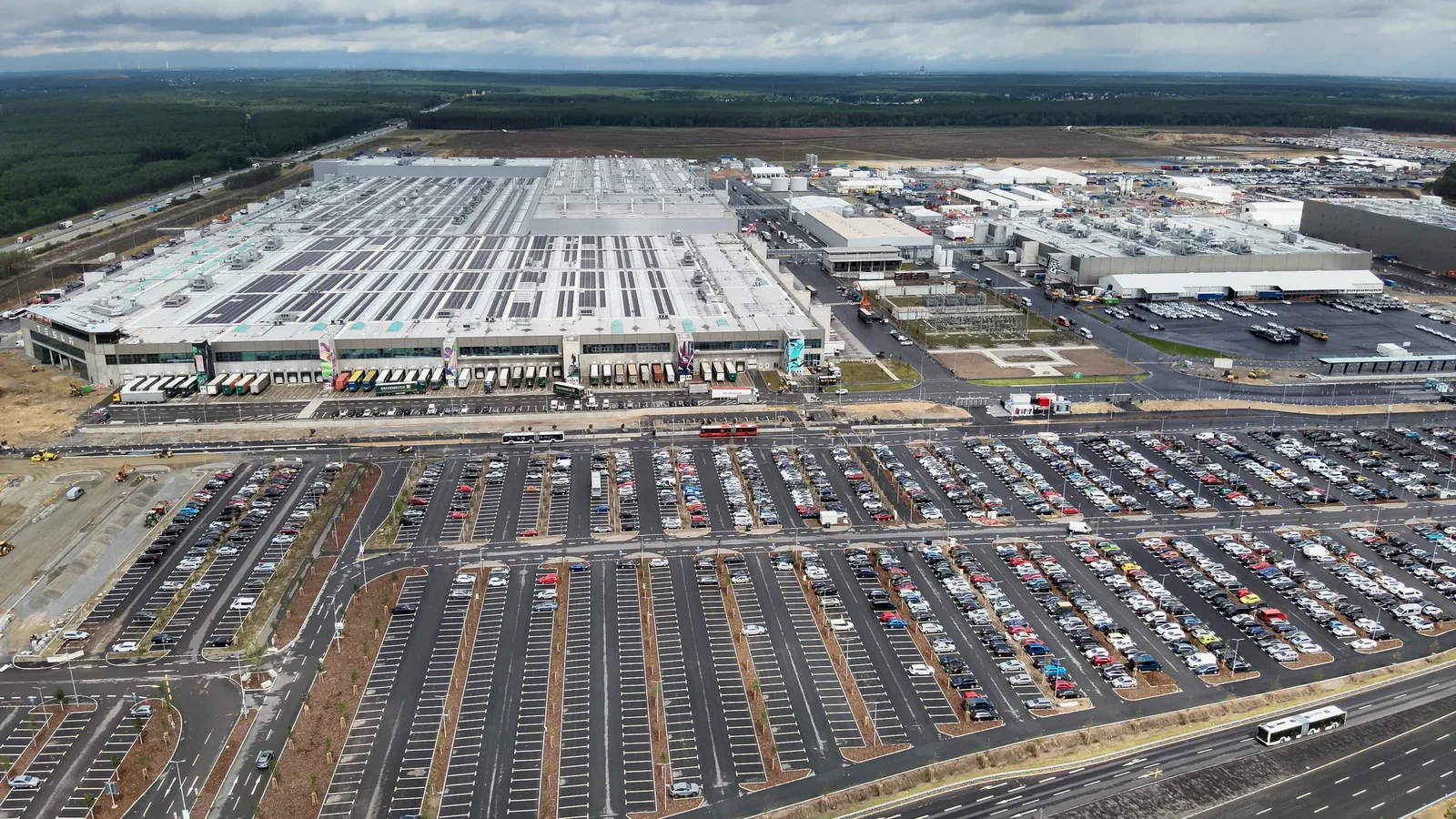
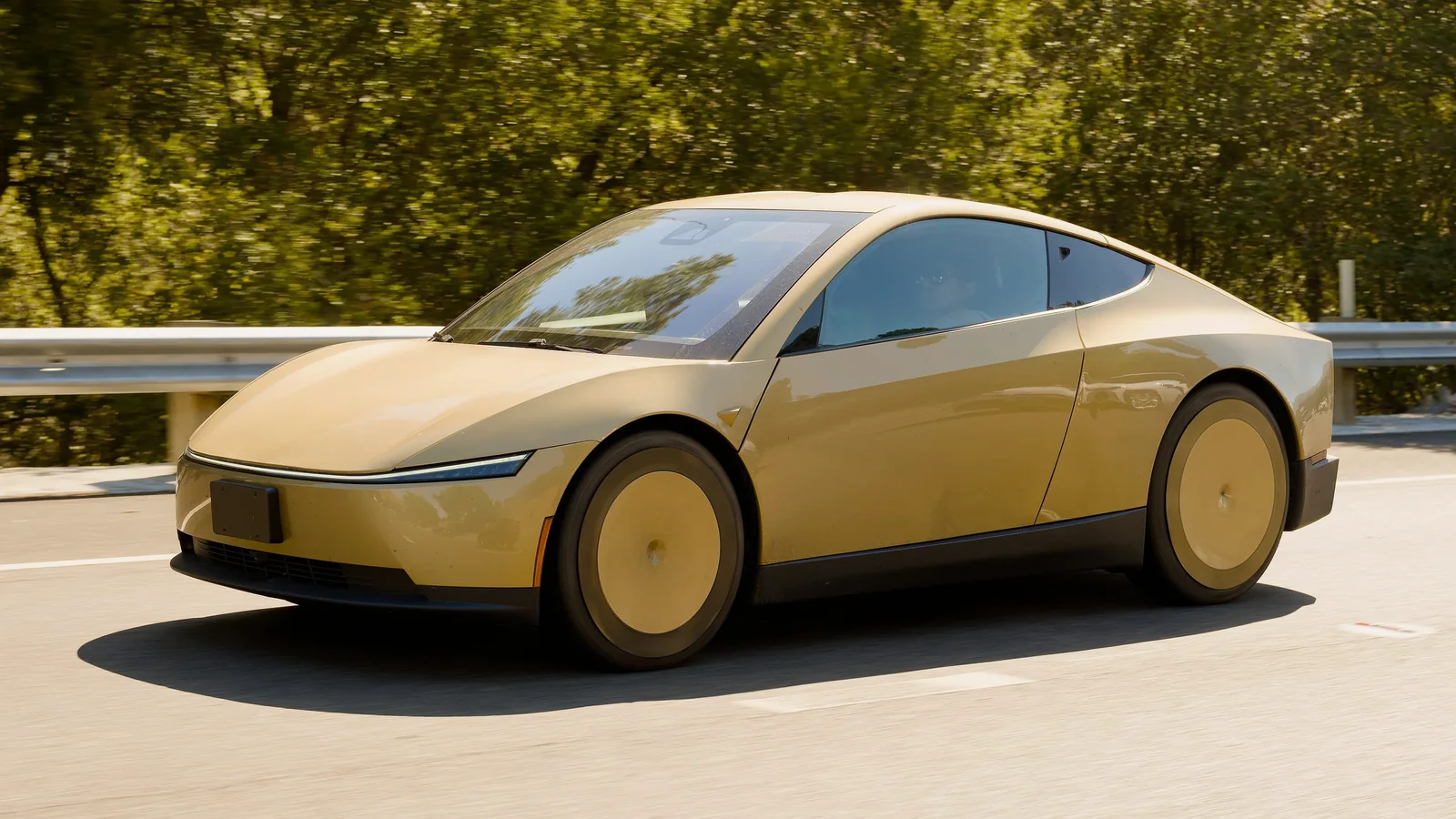
Tesla will build the Cybercab, its two-seat robotaxi with no steering wheel or pedals, at Gigafactory Berlin-Brandenburg in Grünheide, Germany, in a new production hall paid for by a first investment of about €3 billion (about $3.3 billion, by Teslarati's conversion). André Thierig, the plant's manager, announced it on X at 9:19 AM Arizona time on November 16, 2026, with production planned to start in 2029. Tesla said the hall is designed to build up to 1 million Cybercabs a year, according to German public news program Tagesschau, making Giga Berlin Tesla's first planned Cybercab plant outside the US and gives European buyers and Tesla shareholders a date for when the robotaxi gets a second home.
If you ever wondered, what we would be doing at Giga Berlin with all the land that we have… We are expanding! Cybercab production is coming to Giga Berlin! Today we announced a first investment of around € 3b in a new manufacturing building with an anticpated start of production in 2029! It will have the most advanced technology of any Tesla factory! And we are hiring 👉 https://www.tesla.com/careers/search/?site=DE&query=cybercab
— André Thierig (@AndrThie) November 16, 2026
Tesla's own figures show the size of that plan. Its Q3 2026 update lists the Cybercab line at Gigafactory Texas, where the car has been built since April, at more than 125,000 vehicles a year of installed capacity, and the Model Y line at Giga Berlin at more than 375,000. Installed capacity is the most a line is built to make, and Tesla notes that it differs from the current production rate. A hall built for up to 1 million Cybercabs would be about 8 times the Texas line and more than 2.5 times everything Giga Berlin is set up to build now.
From permit to production
Tesla plans to file the building application before the end of 2026 and to break ground in the first half of 2027, Tagesschau reports, and the application builds on the permit request for the whole site expansion that Tesla filed in 2023. Besides the hall, the €3 billion pays for ancillary buildings and a second wastewater treatment plant. Tesla will hire several hundred people for the expansion, and Thierig's post links to the Cybercab job openings at the plant. He told reporters that the new hall is designed for the Cybercab alone, so its first cars in 2029 will be Cybercabs.
The Cybercab does not yet have approval to drive in Germany or the rest of the European Union (EU), Tagesschau notes. Asked when it could carry passengers on German roads, Thierig said the plant is not responsible for approving fully driverless cars and that Tesla wants the right product ready when that approval comes. Brandenburg's Minister-President Dietmar Woidke called the investment a decision of enormous economic importance for the state and a strong signal in difficult economic times.
What it means for Tesla shareholders
Giga Berlin opened in March 2022 as Tesla's first European plant and still builds only the Model Y, as our Gigafactories explainer details; Tesla reported record production there in the third quarter. The new hall adds a second vehicle and a second Cybercab source, while Gigafactory Texas is moving more of its floor to the car: Elon Musk said on November 5 that Cybertruck production in Austin will wind down around the middle of 2027 to make room for more Cybercabs. The Cybercab explainer covers how the car works, and our Robotaxi dashboard tracks Tesla's driverless miles as each quarterly report comes in.
The author may own Tesla stock and options. This article is not investment advice.
Add Elon, Explained as a preferred source on Google
Sources (5)
- André Thierig, Giga Berlin plant manager, on X: Cybercab production is coming to Giga Berlin, a first investment of around €3 billion in a new manufacturing building, start of production anticipated in 2029, November 16, 2026 (9:19 AM Arizona time)
- Tagesschau (ARD, rbb): Tesla kündigt Milliarden-Investition in Werk in Grünheide an (up to 1 million Cybercabs, groundbreaking in the first half of 2027, building application this year, ancillary buildings and a second wastewater plant, several hundred new hires, comments from André Thierig and Dietmar Woidke), November 16, 2026
- Tesla, Inc.: Q3 2026 Update (installed capacity: Cybercab and Model Y at Gigafactory Texas, Model Y at Gigafactory Berlin; record production at Gigafactory Berlin), October 2026
- Teslarati: Tesla makes €3 billion Cybercab bet at Giga Berlin, November 16, 2026 (dollar conversion)
- Elon Musk on X: Tesla will wind down Cybertruck production at Gigafactory Texas around the middle of next year, November 5, 2026
