SpaceX Catches Starship's Upper Stage With the Launch Tower on Flight 15, a First From Orbit
Ship 42 flew for 22.5 hours and released 26 Starlink V3 satellites before the tower arms caught it at Starbase.
By Ryan Tanaka
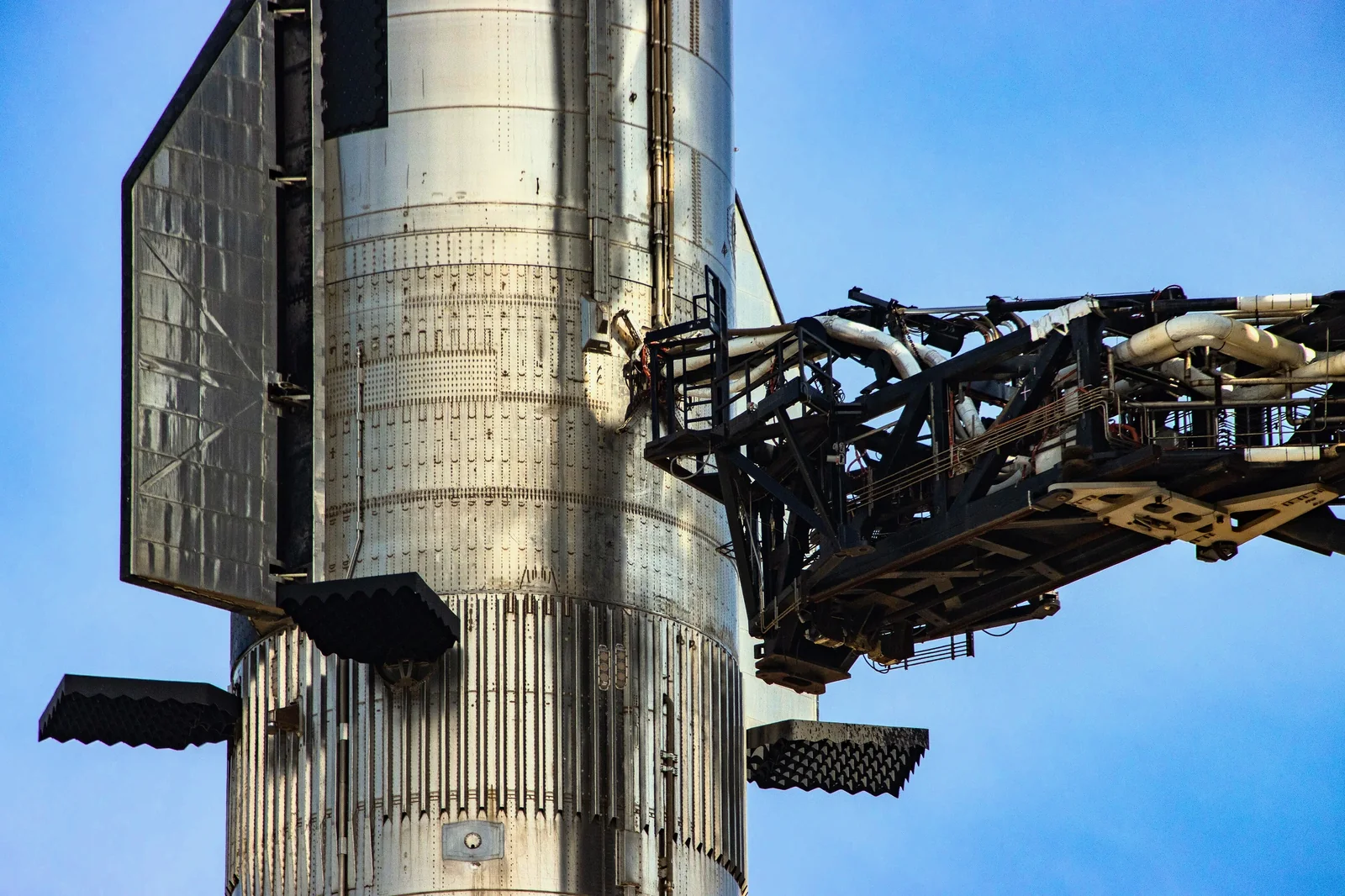
SpaceX caught a Starship upper stage with its launch tower for the first time on Saturday, November 14, ending Starship Flight 15 at about 2:20 PM Arizona time. Ship 42 came back from orbit 22.5 hours after liftoff and settled between the tower's two steel arms at Starbase, SpaceX's rocket site in South Texas, Space.com reported from SpaceX's webcast. A ship that comes home whole can be inspected, refueled, and flown again, and every plan to make Starship fully reusable depends on that.
The rocket lifted off at about 3:47 PM Arizona time on Friday, November 13, and the ship released all 26 Starlink V3 satellites it carried. SpaceX's Flight 15 page says each V3 satellite adds 1 terabit per second (Tbps) of capacity to the network, so this one load equals about 10 Falcon 9 launches of the older V2 Mini satellites. Flight controllers had 3 chances to bring the ship down early in the ocean near Hawaii or Chile, and it passed every check. At 8:41 AM Arizona time on Saturday, SpaceX posted that the pad and tower were ready for the catch.
Flight 15 Update: Starship coasting in orbit, still looking good for return to launch site today. Pad and tower systems are go for catch.
— SpaceX (@SpaceX) November 14, 2026
SpaceX spokesperson Dan Huot called the catch "the holy grail of space flight, plummeting through fire to be snatched out of the air by steel" on the landing webcast, according to Space.com. Super Heavy boosters have come back to the tower before, but they turn around a few minutes after launch, while a ship returns from orbit at far higher speed through the heat of reentry.
The booster went into the Gulf
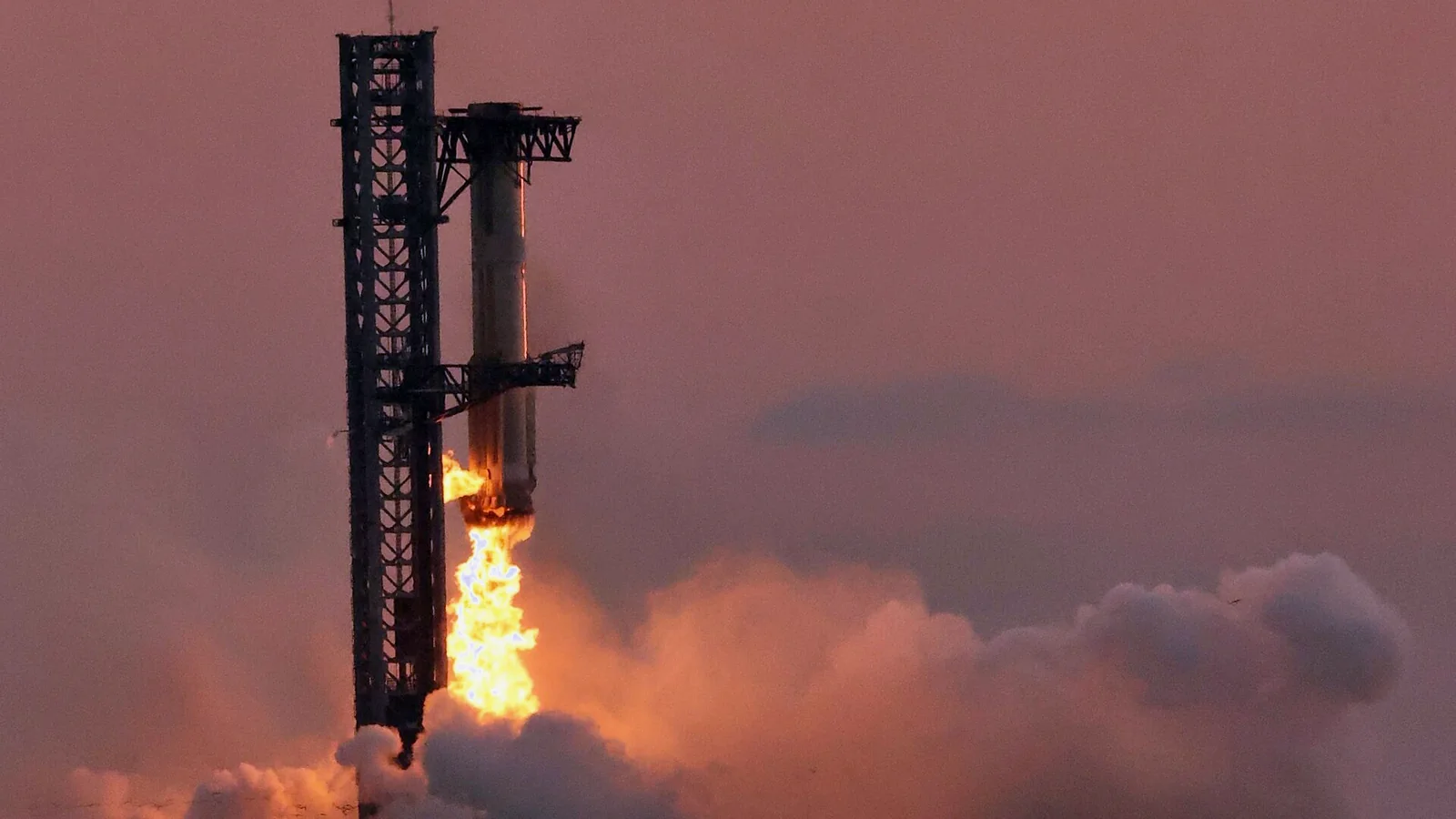
The flight was planned as the first double catch, but the booster half did not come home. Booster 22, the first Super Heavy V3 booster to try a return to the tower, ended its boostback burn early, the engine firing that turns a booster back toward the launch site. "Early indications are that the booster ended its boostback [burn] early due to a low fuel mass alarm," SpaceX's Kate Tice said on Saturday's webcast, as quoted by Space.com. The booster's guidance saw that it was out of position, called off the catch, and steered to a splashdown offshore in the Gulf. Elon wrote on X: "Slight underperformance of engines on this flight is the reason."
What a caught ship means
Elon wrote in August that the first reflight of a ship would come "either end of this year or early next," and that target depends on a recovered ship. Flight 15 produced the first one. For Starlink customers, reflown ships mean more V3 launches, and SpaceX says new V3 satellites can begin serving customers as soon as a few weeks after launch. SpaceX reported 13.6 million Starlink consumer subscribers at September 30, the count our SpaceX by the Numbers dashboard tracks. Our Flight 15 preview covers the plan going in, and the Super Heavy explainer covers the booster that will try again.
Add Elon, Explained as a preferred source on Google
Sources (7)
- Space.com: SpaceX Starship Flight 15 live updates (ship catch at about 4:20 PM EST, 2120 GMT, November 14, 2026; quotes from Dan Huot and Kate Tice on SpaceX's webcast)
- CNN: SpaceX Starship Flight 15 live updates, "STARSHIP LANDS!", November 14, 2026
- SpaceX: Starship Flight 15 mission page (objectives, 26 Starlink V3 satellites, 1 Tbps each, return checks, 3 earlier booster catches), read November 14, 2026
- SpaceX on X: "Flight 15 Update: Starship coasting in orbit... Pad and tower systems are go for catch.", November 14, 2026 (8:41 AM Arizona time)
- Elon Musk on X: engine underperformance and the booster, November 14, 2026
- Elon Musk on X: catching the ship with the tower, first ship reflight end of this year or early next, August 20, 2026
- SpaceX: Third quarter 2026 results (13.6 million Starlink consumer subscribers at September 30, 2026)


